

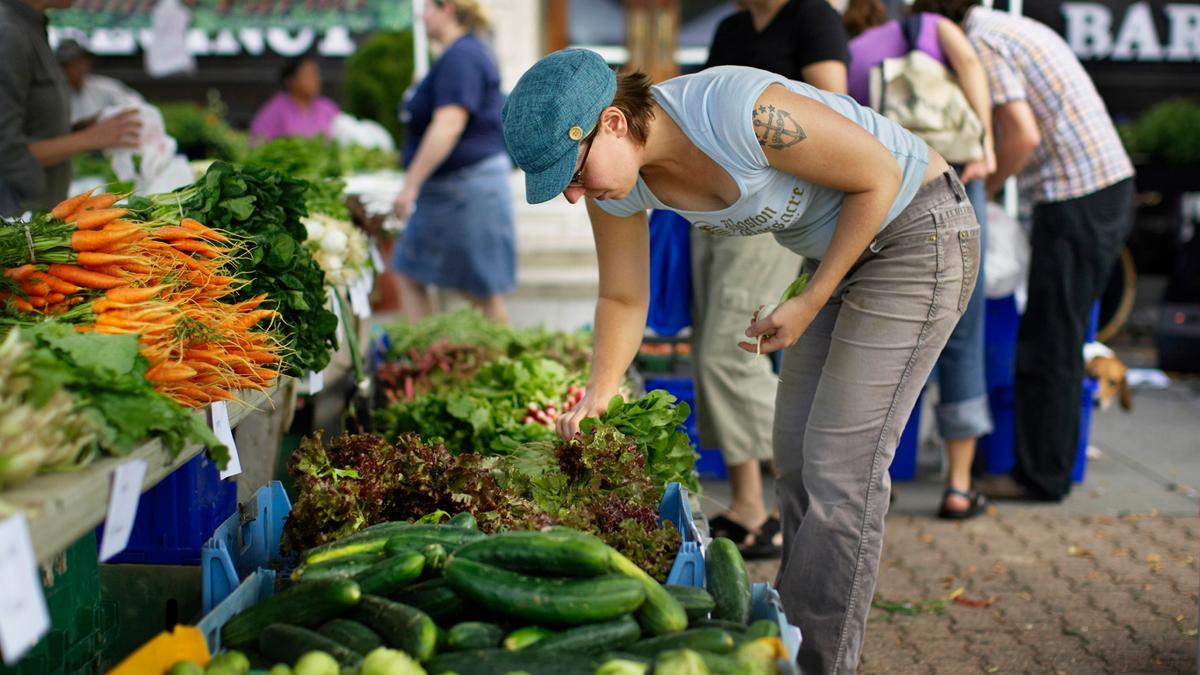
Most of us love natural things: the taste of raw fruits and vegetables, the warmth of the sun on our skin, the sounds of waterfalls or waves at the beach. Some of us pay handsome sums of money to take vacations near parks, wildlife, and bodies of water. There is good reason for this attraction to nature. For example, exposure to natural environments can reduce stress and enhance mood. Scientists often develop medicines by looking to nature and how processes play out in natural environments. Eating more highly processed (ie, less natural) foods is associated with a higher mortality rate.
Often, we’re given a choice between certain things – such as foods, medicines or procedures – that are deemed natural, and alternatives that are considered synthetic or artificial, where the term ‘natural’ denotes the absence of additives or other forms of human intervention. Here, too, the affinity for nature might help us some of the time. But it can also badly lead us astray.
For all of nature’s benefits, it is a mistake to reflexively treat natural things as good or healthy, and their counterparts as inferior or dangerous by default. Nature, after all, gave us arsenic, botulinum toxins and tobacco. A strong version of the pro-natural attitude seems to be evident in the ‘Make America Healthy Again’ movement led by the US health secretary Robert F Kennedy Jr, and similar populist movements, with their advocacy of what they call ‘natural’ medicines and foods, and their scepticism of some artificial or human-made interventions, such as vaccines.
Yet it seems that many of us are inclined toward natural-is-better thinking, whether we know it or not. In a wide variety of contexts, research by my colleagues and me, and by other scientists, shows that people routinely demonstrate a naturalness bias. That is, they exhibit a preference for natural options even when those options are not objectively better, both in hypothetical scenarios and in actual behaviours. For instance, in one study, participants tended to perceive cigarettes as less harmful if they were labelled ‘natural’, even though research does not support that perception. In another study, my colleagues and I found that the majority of participants preferred a natural drug for a hypothetical medical issue – and about 20 to 30 per cent preferred it even when it was said to be less safe or less effective than a synthetic alternative. We also found that people with a stronger preference for natural (vs synthetic) medicine were less likely to be vaccinated against COVID-19. Other research has shown effects similar to these. The naturalness bias appears to be strong enough that even physicians exhibit it in some contexts.
There’s nothing inherently wrong with seeking out natural foods or medicines. I, too, spend time shopping in the so-called ‘natural’ aisles of grocery stores and consider approaches from complementary and alternative medicine (such as certain herbal remedies, mindfulness meditation, and other therapies supported by data). Furthermore, it is certainly the case that, in some contexts, natural food or other natural options might be better or safer than their human-made equivalents. However, error creeps in when we assume that something with a ‘natural’ label is healthier, safer or otherwise superior.
Our health would be quite bad if we ate whatever dogs prefer because we think it’s natural
The strong intuitive appeal of that label can cause one to forgo careful thinking about safety, effectiveness or appropriate consumption amounts. I observe the naturalness bias playing out routinely. For example, while writing this article, I listened to a news show on which a correspondent said that the food company Kraft Heinz planned to remove artificial dyes from its products. When another correspondent asked if the dyes are known to be bad for consumers, the first replied with something like: ‘We’re not sure, but they are not natural, so I guess that’s bad.’ In another piece of news, I learned that some restaurant owners are replacing seed oils (which are sometimes highly processed) with beef tallow, due to perceived health advantages – although nutrition experts interviewed for the story in The New York Times say that this perception is misguided. One restaurant owner said he switched to tallow as he likes cooking with a ‘natural’ ingredient. Now, when he gets home from a day of cooking, his dogs lick his fingers. ‘They would never do that with rapeseed oil,’ he said, offering that ‘these are animals that have natural instincts.’
While artificial dyes and seed oils might be detrimental in some contexts, it doesn’t follow that they are less healthy across the board simply because they’re made using synthetic methods. Our health would be quite bad if we ate whatever dogs prefer because we think it’s natural. I am not suggesting that the correspondent, the restaurant owner, or those with similar attitudes are illogical or unintelligent – not at all. I’ve shown the naturalness bias myself many times: my wife and I recently bought a certain brand of ice cream because it said ‘natural vanilla’ on the label, while another read ‘vanilla-flavoured ice cream’. We both concluded that ‘natural vanilla’ sounded better! These examples all just illustrate the commonness and pull of appeals to naturalness.
It’s easy to bring to mind other situations where the naturalness bias could lead to misguided choices. People might needlessly pay more for the same kind of product when it’s described as ‘natural’. Someone might eat more of a food that’s high in fat and sugar just because it’s considered natural and therefore perceived as healthier.
Our research suggests the naturalness bias could also influence much more consequential decisions. For example, a smoker might be less likely to quit cigarettes that they perceive to be natural. A consumer might start drinking ‘natural’, unpasteurised cow’s milk in the belief that it is healthier, even though there have been many cases of people getting sickened by bacteria in raw milk. A patient might be less likely to consider taking a life-saving drug because it’s synthetic, relying instead on remedies that are natural but ineffective. And parents might conclude that trusting their children’s natural immunity is better than giving them the vaccines recommended by medical professionals and the scientific community. Childhood vaccination rates globally are declining, which will probably lead to increases in preventable diseases. It is likely that the naturalness bias is at least one of the causes. Furthermore, distrust of science and medical institutions might work hand in hand with the naturalness bias to reduce adherence to the advice of medical experts concerning vaccines and other medical interventions.
When people are alerted to the existence of a naturalness bias, they can overcome it
Making good health and food choices is complicated by many factors: the amount of information we are exposed to on a daily basis, the sometimes seemingly contradictory recommendations by experts, and the fact that there is not always an objectively best option. So, another reason the naturalness bias might influence our choices in the health and food arenas is because it gives us a simple yes (‘it’s natural’) or no (‘it’s artificial’) heuristic, when in fact the basis for such choices and decisions should be much more nuanced.
Encouragingly, though, research gives us reason to believe that when people are alerted to the existence of a naturalness bias, they can overcome it, at least some of the time. My colleagues and I found that when we told people about the naturalness bias and gave them examples of how natural substances can be harmful, and synthetic ones can be helpful, they showed reduced bias in making a later decision, compared with people who were not told about it.
If we keep in mind that the naturalness bias exists and talk about it with others, that may help prevent the bias from creeping into decision-making. Awareness seems to be vital, and paying attention to the use of the term ‘natural’ when it’s applied to products or services should cause us to pause and consider the context. Especially when pondering important health and food choices, it is vital to consider data related to the risks and benefits of a product or an intervention, regardless of its natural or synthetic makeup. It may not matter much whether you unconsciously prefer an overpriced ‘natural’ cleaning product. Yet it could matter greatly if your loved one is thinking of substituting one supposedly ‘natural’ medicine or treatment for another, synthetic one. In cases like these, putting in the time to read reliable sources and speak with qualified experts – and encouraging others to do the same – can help point to a decision that’s based on data, rather than a deceptively simple label.
Source link
